


NewsDetails
Anti-static Filter Cloth: Industrial Benefits
author:Yiheng time:2026-05-30 10:20:45 click:59
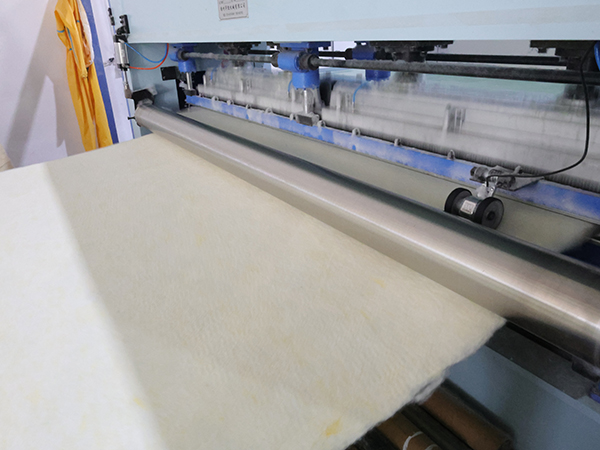
Electrostatic Charge Generation Mechanisms
Understanding electrostatic charge generation helps explain why Anti-static Filter Cloth is essential in many industrial processes. Triboelectric charging occurs when dissimilar materials contact and separate, transferring electrons that create static electricity. High-velocity airflows through filtration media exacerbate charge generation, making Anti-static Filter Cloth necessary in pneumatic conveying, dust collection, and powder processing systems.
Charge accumulation on standard filter media creates multiple hazards including spark ignition of combustible dusts, dust particle adhesion that reduces filtration efficiency, and electrostatic discharge that damages sensitive electronic equipment. Anti-static Filter Cloth provides continuous charge dissipation pathways that prevent dangerous charge accumulation and associated risks in industrial filtration systems.
Conductive Fiber Technologies and Integration
Modern Anti-static Filter Cloth incorporates conductive fibers like carbon-loaded polyester, stainless steel, or copper-clad fibers that provide reliable electrical continuity throughout the media structure. These conductive elements create low-resistance pathways that dissipate electrostatic charges before dangerous potentials develop. The distribution and concentration of conductive fibers affect Anti-static Filter Cloth performance and must be optimized for specific application requirements.
Surface resistivity measurements quantify Anti-static Filter Cloth effectiveness in dissipating electrostatic charges. Standards like EN 1149, IEC 61340, and NFPA 77 specify test methods and acceptance criteria for static-dissipative materials. Specify Anti-static Filter Cloth with certified surface resistivity values appropriate for your hazard classification and regulatory requirements.
Explosion Prevention in Dust Collection Systems
Combustible dust explosions represent serious industrial hazards that Anti-static Filter Cloth helps prevent by eliminating ignition sources. When combustible dusts suspend in air at sufficient concentrations, electrostatic sparks can initiate explosions that cause injuries, fatalities, and facility damage. NFPA 654 and other standards mandate static control measures, including Anti-static Filter Cloth in dust collection systems handling combustible particulates.
Grounding requirements for Anti-static Filter Cloth installations ensure that dissipated charges flow safely to earth ground without creating spark hazards. Properly installed grounding systems, continuous electrical paths through filter media, and verified ground connections create comprehensive static protection. Regular testing of Anti-static Filter Cloth grounding systems verifies continued protection effectiveness and regulatory compliance.
Chemical Processing and Solvent Handling Applications
Flammable solvent vapors create explosion hazards that Anti-static Filter Cloth helps mitigate in chemical processing, pharmaceutical manufacturing, and coating operations. Static discharges can ignite solvent vapors at concentrations well below explosive limits, making static control critical even in apparently safe operating conditions. Anti-static Filter Cloth prevents ignition sources in solvent recovery, vapor filtration, and emissions control applications.
Chemical compatibility considerations affect Anti-static Filter Cloth selection in aggressive chemical environments. Conductive fibers and treatments must withstand chemical exposures without degradation that could compromise static-dissipative properties. Consult chemical resistance guides and conduct compatibility testing to ensure Anti-static Filter Cloth maintains performance throughout intended service life.
Food Processing and Pharmaceutical Applications
Food and pharmaceutical industries require Anti-static Filter Cloth that meets stringent hygiene and safety standards while providing static protection. Powder handling, spray drying, and tablet coating operations generate electrostatic charges that can cause dust explosions or product quality issues. Food-grade Anti-static Filter Cloth incorporates conductive elements that satisfy FDA, EU, and other regulatory requirements for food contact applications.
Cleanability requirements for Anti-static Filter Cloth in food and pharmaceutical applications demand smooth surfaces, chemical resistance, and sterilization compatibility. Conductive elements must withstand cleaning agents, high temperatures, and radiation sterilization without degradation. Specify Anti-static Filter Cloth with documented cleanability and regulatory compliance for sensitive processing applications.
Performance Testing and Certification Standards
Performance verification through standardized testing ensures that Anti-static Filter Cloth delivers specified static-dissipative properties. Surface resistivity tests, charge decay measurements, and spark ignition testing validate performance under simulated operating conditions. Require test reports and certifications from Anti-static Filter Cloth suppliers to document compliance with applicable standards and regulations.
Field testing of installed Anti-static Filter Cloth systems verifies that actual performance matches laboratory test results. Portable surface resistivity meters, charge decay timers, and spark detectors assess system performance in operating conditions. Periodic field testing of Anti-static Filter Cloth installations identifies degradation or damage that could compromise safety performance.
Maintenance and Service Life Considerations
Maintaining Anti-static Filter Cloth performance requires inspection and testing procedures that verify continued static-dissipative properties. Contamination, wear, or damage can compromise conductive pathways, reducing effectiveness over time. Establish maintenance schedules that include performance testing to ensure Anti-static Filter Cloth continues providing adequate protection throughout service life.
Replacement criteria for Anti-static Filter Cloth should consider both filtration performance and static-dissipative effectiveness. Media that no longer meets surface resistivity specifications requires replacement regardless of remaining filtration life. Documented replacement procedures and performance verification protocols ensure that Anti-static Filter Cloth systems maintain safety integrity throughout their service life.
Making Informed Anti-static Filter Cloth Selections
Selecting appropriate Anti-static Filter Cloth requires evaluating electrostatic hazards, chemical compatibility, temperature requirements, and regulatory obligations. Consult with filtration engineers who understand static electricity hazards and mitigation strategies to specify optimal solutions. Quality Anti-static Filter Cloth from reputable suppliers delivers safety, reliability, and regulatory compliance that protects your personnel, facilities, and business continuity.
Remember that Anti-static Filter Cloth represents a critical safety component in hazardous environments where electrostatic discharges could cause catastrophic incidents. Invest in quality materials, proper installation, and systematic maintenance to ensure reliable protection. Your diligent attention to static electricity hazards and mitigation measures demonstrates commitment to safety and regulatory compliance that benefits all stakeholders.
References
National Fire Protection Association. (2021). NFPA 77-2021 - Recommended practice on static electricity. NFPA Publications.
International Electrotechnical Commission. (2019). IEC 61340-4-1:2019 - Electrostatic control program requirements. IEC Standards.
European Committee for Standardization. (2020). EN 1149-5:2018 - Protective clothing - Electrostatic properties. CEN Standards.
Occupational Safety and Health Administration. (2020). OSHA 1910.307 - Hazardous locations electrical installations. U.S. Department of Labor.
National Institute for Occupational Safety and Health. (2019). NIOSH manual of analytical methods - Electrostatic discharge hazards. CDC Publications.
 Recommended Products


 Contact Us
—— Hotline:+86 15028642444
—— Email:523474198@qq.com
—— Whatsapp:+8615028642444
—— Address:Longfengdian Village, Waliwang Town, Botou City, Hebei Province


