


NewsDetails
Fiberglass Filter Cloth for Dusty Environments: What Factory Engineers Need to Know
author:Yiheng time:2026-07-24 18:10:45 click:102
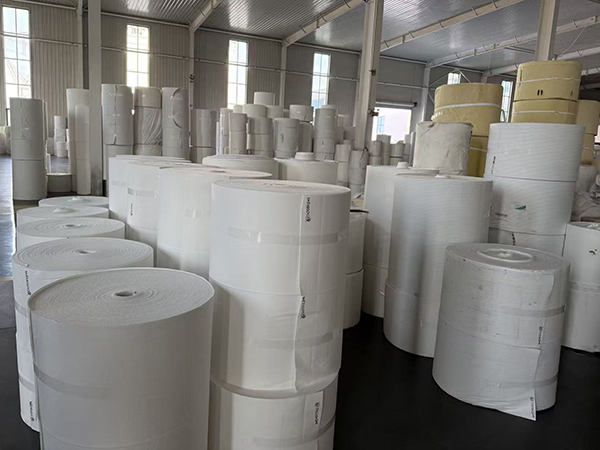
When the dust is heavy and the gas is hot, many filtration media reach their limit. Fiberglass filter cloth is the material that operators of cement kilns, steel smelters, foundries, and mineral processing plants turn to when temperatures exceed 200°C and the dust loading runs high. This article covers what a manufacturer of fiberglass filter cloth would tell a factory engineer preparing to specify media for a demanding dusty environment — the capabilities, the limitations, and the practical details that determine whether the installation succeeds or fails prematurely.
Where Fiberglass Filter Cloth Excels in Dusty Environments
Fiberglass filter cloth stands apart from organic fiber media because it does not burn, shrink, or chemically decompose at temperatures that destroy polyester, aramid, or PPS. The continuous service temperature of standard borosilicate fiberglass filter cloth is 260°C, with short-term capability to 290°C. This makes it the only practical choice for many high-temperature dusty environments where other media would fail within hours.
The environments that demand fiberglass filter cloth share common characteristics: exhaust gas temperatures from 200°C to 300°C, dust loading from 20 to 200 grams per cubic meter, and abrasive particles that would wear down organic fibers. Cement kiln baghouses, iron and steel foundry fume collection, ferroalloy smelting, glass furnace exhaust, and non-ferrous metal processing all rely on fiberglass filter cloth as the standard filtration medium.
The Single Critical Weakness: Brittleness at Low Temperature
Every experienced manufacturer of fiberglass filter cloth will warn first about brittleness. Glass fibers have excellent tensile strength at operating temperature, but they have very low elongation — they do not stretch. When the baghouse cools down, the fibers become stiff and brittle. A cold fiberglass filter cloth bag that is flexed, creased, or struck can develop microcracks that grow into complete failure when the system returns to operating temperature.
The implication for factory operation is clear. Fiberglass filter cloth bags should be handled with care during installation. They should not be folded, creased, or dropped. The baghouse should be preheated to at least 120°C before full gas flow is introduced, and then the temperature should be raised gradually — no more than 30°C per hour — to avoid thermal shock. Cold startup pulses should be avoided because they flex the brittle glass fibers against the cage wires.
How Abrasive Dust Affects Fiberglass Filter Cloth Life
Heavy dust loading in environments like cement clinker coolers and foundry exhaust creates an abrasive environment. Fiberglass filter cloth handles abrasion differently from organic felts. The glass fibers themselves are hard and wear-resistant, but they are also fragile under point loading. The primary wear mechanism is not the dust particles themselves but the movement of the bag against the cage wires during pulse cleaning.
To maximize the service life of fiberglass filter cloth in abrasive environments, the supplier will recommend cages with smooth, corrosion-resistant coating and wire diameter no larger than 3 mm. Bags should fit the cages snugly but not tightly — excessive movement during cleaning accelerates wear at the contact points. Some manufacturers offer fiberglass filter cloth with a silicone or PTFE surface coating that reduces friction between the bag and the cage, extending service life by 20 to 30 percent in abrasive service.
Acid Gas Protection: Why PTFE Lamination Matters
In many dusty environments, the exhaust gas carries not just particulate but also acid gases. Foundry exhaust contains SO₂ and HF. Cement kiln exhaust contains SO₂ and NOₓ. Waste incinerator exhaust contains HCl. Unprotected fiberglass filter cloth is vulnerable to acid attack because the glass fiber surface reacts with acid gases at high temperature, leading to strength loss and eventual failure.
PTFE membrane lamination solves this problem. The membrane acts as a chemical barrier between the acid gases and the glass fibers while also providing surface filtration that achieves below 5 mg/Nm³ emissions without depending on the dust cake. A manufacturer supplying fiberglass filter cloth for acid gas environments should offer PTFE-laminated versions as the standard recommendation. The cost premium ranges from 40 to 60 percent over plain glass felt, but the service life extension — typically 30 to 50 percent — makes it the better economic choice in any environment where acid gases are present above trace levels.
What a Manufacturer Inspects Before Shipping
A quality supplier of fiberglass filter cloth performs a series of checks before releasing material. Each lot is tested for tensile strength in both warp and fill directions. Air permeability is measured at a standard pressure differential. Thickness and weight per square meter are verified against the specification. The membrane, if present, is checked for bubble point pressure as an indicator of pore size and integrity.
The buyer should ask for these test certificates with every shipment. For large orders covering multiple compartments or complete baghouse retrofits, the manufacturer should provide a sampling plan that tests at least 1 percent of the bags to confirm that the factory production is consistent. This level of quality assurance prevents problems that are much harder to fix after the bags are installed.
Handling and Storage at the Factory
Once fiberglass filter cloth bags arrive at the plant, how they are stored matters. The bags should be kept in a dry, temperature-stable area and kept in their original packaging until installation time. They should not be stored near welding operations, forklift traffic, or any activity that could cause mechanical damage. Fiberglass filter cloth that is stored for months in direct sunlight or in a damp area can suffer ultraviolet degradation or moisture-related strength loss before it ever goes into service.
Many factories find it useful to have the manufacturer or an experienced supplier representative present during installation of the first compartment. The representative can train the installation crew on proper handling techniques — including how to slide the bags into the cages without creasing the fabric and how to set the tension on the bag clamps. Factories that invest in this training consistently report 20 to 30 percent longer bag life compared to plants that do not.
FAQ
What temperature can fiberglass filter cloth handle in dusty environments?
Standard borosilicate fiberglass filter cloth handles continuous operation at 260°C and short-term peaks to 290°C. For higher temperatures up to 400°C, specialty E-glass or quartz fiber media are available from specialized manufacturers. The temperature rating depends on the glass chemistry and any applied coatings.
How long does fiberglass filter cloth last in a cement clinker cooler?
With proper gas conditioning, PTFE membrane lamination, and correct installation, fiberglass filter cloth in a clinker cooler baghouse typically lasts 3 to 5 years. Without membrane protection or with poor temperature control, premature failure within 12 to 18 months is common.
Can fiberglass filter cloth be used in coal-fired boiler baghouses?
Yes, PTFE-laminated fiberglass filter cloth is commonly used in coal-fired power plant baghouses where flue gas temperatures are in the 160 to 200°C range. The fiberglass substrate provides dimensional stability at temperature, while the PTFE membrane protects against acid gas attack from SO₂ and captures fine particulates at the surface. However, many coal plants prefer PPS for its lower cost at lower temperatures.
What is the best way to clean fiberglass filter cloth bags?
Pulse-jet cleaning is the standard method for fiberglass filter cloth. The compressed air pressure should be set to 3 to 5 bar depending on the bag length and dust type. The pulse duration is typically 100 to 150 milliseconds. Over-pulsing — too high pressure or too frequent cleaning — accelerates bag wear. The baghouse controller should be set to clean only when the pressure drop exceeds the set point, not on a fixed timer.
Conclusion
Fiberglass filter cloth is the default choice for dusty industrial environments where gas temperatures exceed 200°C. Its high temperature resistance, dimensional stability, and ability to handle heavy dust loads make it indispensable in cement, steel, foundry, and mineral processing plants. The keys to achieving maximum service life are selecting PTFE-laminated media for any application with acid gases, handling the bags carefully during installation, preheating the baghouse before startup, and using well-coated cages with smooth surfaces. An experienced manufacturer of fiberglass filter cloth will help the factory define the right specification for each collection point and will provide the quality documentation needed to ensure consistent performance over the life of the installation.
References
European IPPC Bureau. (2017). Best Available Techniques Reference Document for Large Combustion Plants. Publications Office of the European Union.
Wang, H. and Thompson, R. (2018). Degradation mechanisms of glass fiber filter media in high-temperature exhaust. Journal of Hazardous Materials, 351, 201–212.
ASTM D2986. (2019). Standard Practice for Evaluation of Filter Media for Oil-in-Water Emulsions. ASTM International.
Brown, R. C. (2018). Air Filtration: An Integrated Approach to the Theory and Applications of Fibrous Filters. Second Edition. Elsevier.
ISO 29463-1. (2017). High-Efficiency Air Filters for Valuation of Filtration Performance. International Organization for Standardization.
 Recommended Products


 Contact Us
—— Hotline:+86 15028642444
—— Email:523474198@qq.com
—— Whatsapp:+8615028642444
—— Address:Longfengdian Village, Waliwang Town, Botou City, Hebei Province


