


NewsDetails
Fiberglass Filter Cloth in High-Temp Applications
author:Yiheng time:2026-06-02 12:35:01 click:72
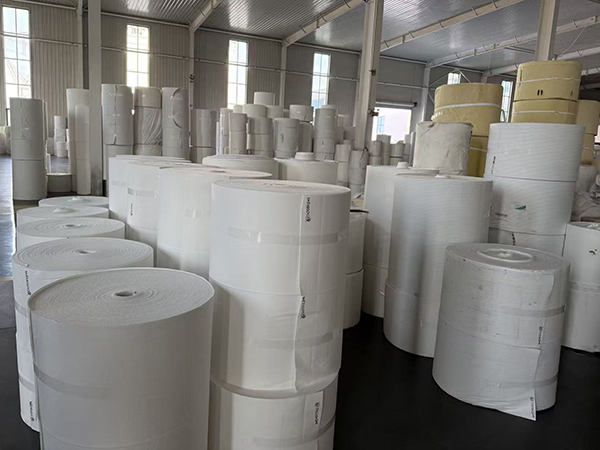
Thermal Resistance and Continuous Operating Temperatures
The fundamental advantage of Fiberglass Filter Cloth lies in its inorganic glass fiber composition that resists thermal degradation up to 1000°F (538°C) intermittent exposure. Continuous operating temperature ratings typically reach 500-550°F depending on resin treatment and application conditions. This thermal stability enables Fiberglass Filter Cloth to maintain filtration efficiency and mechanical strength in applications like foundry emissions control, power generation exhaust filtration, and asphalt plant baghouses where temperatures consistently exceed synthetic fiber limits.
Temperature cycling resistance distinguishes quality Fiberglass Filter Cloth from inferior alternatives that embrittle after repeated thermal excursions. Properly formulated fiberglass fabrics withstand thousands of heating-cooling cycles without significant strength loss, ensuring long service life in applications with variable operating temperatures. Specify Fiberglass Filter Cloth with verified cyclic thermal performance data to ensure durability in your specific application conditions.
Chemical Resistance in Corrosive High-Temperature Environments
Fiberglass Filter Cloth exhibits excellent resistance to most acids, alkalis, and organic solvents at elevated temperatures where other filter media rapidly degrade. The inert glass fiber composition resists chemical attack that destroys organic fiber filters, making Fiberglass Filter Cloth suitable for chemical processing, pharmaceutical manufacturing, and waste incineration applications. However, hydrofluoric acid and hot concentrated phosphoric acid attack glass fibers, requiring alternative media in those specific environments.
Surface treatments enhance Fiberglass Filter Cloth chemical resistance and particulate release characteristics. Silicone, PTFE (Teflon), and graphite coatings reduce surface energy, improving cake release and preventing blinding that reduces filtration efficiency. These treatments also provide additional chemical barrier protection, extending Fiberglass Filter Cloth service life in aggressive chemical environments where untreated glass fibers might degrade prematurely.
Filtration Efficiency and Particle Size Capture
Filtration efficiency of Fiberglass Filter Cloth depends on fabric construction, fiber diameter, and treatment processes that affect pore size distribution. Tightly woven fiberglass fabrics achieve sub-micron particle capture efficiencies exceeding 90%, meeting stringent emissions requirements in power generation and pharmaceutical applications. The electrostatic properties of Fiberglass Filter Cloth enhance particle capture through dielectric attraction, improving efficiency beyond mechanical filtration mechanisms alone.
Pressure drop characteristics of Fiberglass Filter Cloth affect energy consumption and system operating costs throughout filter life. Optimized fabric constructions balance filtration efficiency with airflow resistance, minimizing operational expenses while maintaining emissions compliance. Regular testing of Fiberglass Filter Cloth pressure drop helps predict cleaning requirements and filter replacement intervals, enabling proactive maintenance that prevents costly system downtime.
Mechanical Strength and Dimensional Stability
Tensile strength retention at elevated temperatures makes Fiberglass Filter Cloth reliable in applications where thermal expansion and mechanical stresses challenge filter integrity. Glass fibers maintain most room-temperature strength up to 500°F, unlike organic fibers that lose substantial strength above 200°F. This thermal strength retention enables Fiberglass Filter Cloth to withstand pulsing, vibration, and differential pressure stresses in baghouse and cartridge filtration systems.
Dimensional stability under thermal and mechanical loads ensures Fiberglass Filter Cloth maintains proper fit and function throughout service life. Unlike synthetic fibers that creep or shrink at elevated temperatures, fiberglass exhibits minimal thermal expansion and zero thermal shrinkage. This dimensional stability prevents seal failures, cage clearance issues, and bag-to-bag contact that accelerates wear in Fiberglass Filter Cloth installations.
Installation Techniques and Cage Compatibility
Proper installation of Fiberglass Filter Cloth bags requires attention to cage compatibility, tensioning, and seal design that ensures leak-free operation. Cages must accommodate thermal expansion without binding, while proper tensioning prevents bag collapse that reduces filtration area and accelerates fatigue failure. Quality Fiberglass Filter Cloth installations include appropriate tension measurement and adjustment procedures that optimize service life.
Seam construction significantly affects Fiberglass Filter Cloth performance and durability in high-temperature applications. Welded seams provide superior strength and chemical resistance compared to sewn seams that create potential leak paths and stress concentration points. Specify Fiberglass Filter Cloth with welded or properly sewn seams using high-temperature thread materials that match fabric service conditions.
Cleaning Methods and Cake Release Optimization
Effective cleaning restores Fiberglass Filter Cloth permeability and maintains system performance throughout filter life. Pulse-jet cleaning systems propel high-velocity air pulses that flex fabric and dislodge collected dust cake. Optimizing pulse pressure, duration, and frequency based on Fiberglass Filter Cloth characteristics and dust properties maximizes cleaning effectiveness while minimizing mechanical stress that shortens filter life.
Surface treatments dramatically improve cake release from Fiberglass Filter Cloth, reducing cleaning energy requirements and extending filter life. Silicone and PTFE treatments reduce surface energy, preventing particulate adhesion that requires aggressive cleaning. Well-treated Fiberglass Filter Cloth releases dust cake with minimal pulse energy, reducing operating costs and extending fabric service life through reduced flex fatigue.
Service Life Optimization and Replacement Criteria
Maximizing Fiberglass Filter Cloth service life requires monitoring multiple parameters that indicate remaining useful life. Pressure drop trends, visual inspections, and permeability measurements identify filters approaching end-of-life before catastrophic failure occurs. Establish replacement criteria based on Fiberglass Filter Cloth condition and system performance to avoid unplanned downtime and ensure continuous compliance with emissions regulations.
Spare inventory management ensures Fiberglass Filter Cloth replacements are available when needed, minimizing system downtime during changeouts. Analyze service life data, lead times, and criticality to determine appropriate spare inventory levels. Strategic spare parts management for Fiberglass Filter Cloth systems reduces emergency procurement costs and ensures continuity of operations in critical filtration applications.
Making Informed Fiberglass Filter Cloth Selections
Selecting appropriate Fiberglass Filter Cloth requires evaluating operating temperature, chemical environment, particle characteristics, and cleaning system compatibility. Consult with experienced filtration engineers who understand your application's unique challenges and can recommend optimized solutions. Invest in quality Fiberglass Filter Cloth from reputable manufacturers who provide technical support, performance guarantees, and responsive service to protect your filtration investment.
Remember that Fiberglass Filter Cloth performance depends on proper selection, installation, operation, and maintenance throughout its service life. Collaborate with suppliers who demonstrate application expertise and commitment to customer success. Your diligent attention to these factors ensures that Fiberglass Filter Cloth delivers reliable, cost-effective filtration performance in the most demanding high-temperature applications.
References
American Society of Mechanical Engineers. (2020). ASME PTC 38-2020 - Determining energy efficiency of industrial equipment. ASME Standards.
American Filtration and Separations Society. (2021). AFS technical proceedings - High-temperature filtration technologies. AFS Publications.
International Organization for Standardization. (2019). ISO 29463-1:2019 - High-efficiency filters and filter media. ISO Central Secretariat.
Air and Waste Management Association. (2020). AWMA technical papers - Industrial filtration and emissions control. AWMA Publications.
American Conference of Governmental Industrial Hygienists. (2021). ACGIH industrial ventilation manual - Filtration system design. ACGIH Publications.
 Recommended Products


 Contact Us
—— Hotline:+86 15028642444
—— Email:523474198@qq.com
—— Whatsapp:+8615028642444
—— Address:Longfengdian Village, Waliwang Town, Botou City, Hebei Province


