


NewsDetails
Polyester Filter Cloth in Cement Kilns: When and How to Use It
author:Yiheng time:2026-07-24 18:13:39 click:158
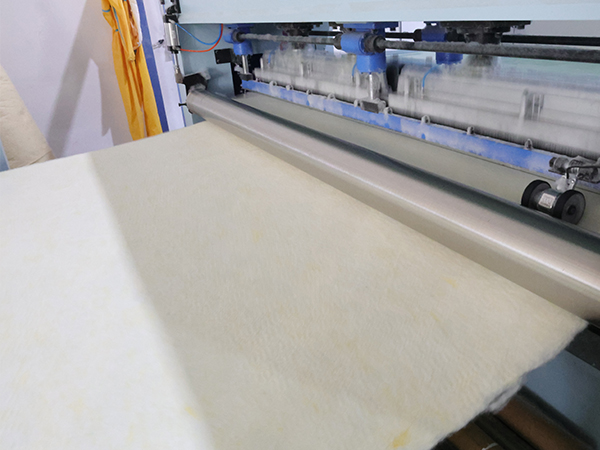
Cement plants operate some of the largest baghouses in heavy industry, and a significant portion of their compartments run on polyester filter cloth. Despite the availability of higher-temperature media, polyester filter cloth remains the preferred choice for many cement kiln applications — provided the operating conditions stay within its limits. This article lays out what a factory engineer needs to know about using polyester filter cloth in cement production, what conditions it can handle, and where it should be avoided.
Where Polyester Filter Cloth Fits in Cement Production
Cement manufacturing involves multiple dust collection points. The raw mill, the finish mill, the clinker cooler, the cement loading station — each generates dust at different temperatures and moisture levels. Polyester filter cloth is most commonly found on the cooler, the finish mill, and all material transport and packing stations where gas temperatures stay below 130°C.
A reliable manufacturer of polyester filter cloth will tell you that the cement kiln baghouse handling raw mill exhaust is the most demanding application. When the raw mill is running, the exhaust gas temperature can reach 100 to 110°C with high moisture content from drying the raw materials. When the mill stops, the temperature can spike to 180°C or higher as the kiln gas bypasses the mill and goes directly to the baghouse. Polyester filter cloth cannot survive those spikes. A plant using polyester filter cloth in this service must have a quench tower or a bypass damper that keeps the inlet temperature below 130°C at all times.
Temperature Limits: The Absolute Boundary
The continuous service temperature for polyester filter cloth is 130°C. Short-term peaks up to 140°C can be tolerated for brief periods, but repeated excursions above 130°C cause progressive embrittlement. The polyester fibers shrink, stiffen, and lose tensile strength. A supplier of polyester filter cloth with honest specifications will provide documentation showing tensile strength retention after thermal aging at the rated temperature.
In cement plants, the most common cause of premature failure of polyester filter cloth is not continuous overtemperature but unexpected spikes — when a damper malfunctions, when the mill stops unexpectedly, or when the cooling system is down for maintenance. The bags closest to the hot gas inlet suffer first. A plant that installs temperature alarms and automatic bypass dampers will achieve the full service life that polyester filter cloth can deliver.
Moisture and Acid Dew Point: The Hidden Risk
Cement kiln exhaust contains sulfur compounds that form sulfuric acid when the gas temperature drops. The acid dew point for cement kiln exhaust typically ranges from 110°C to 135°C, depending on the SO₂ concentration. If the plant operates polyester filter cloth at temperatures near or below the acid dew point, the fabric will become wetted by condensed acid. The wetting causes immediate loss of filtration efficiency — the dust cake sticks to the wet fabric and cannot be removed by pulse cleaning — and accelerates chemical degradation of the polyester fibers.
Experienced suppliers of polyester filter cloth to the cement industry emphasize that the media temperature must remain 15 to 20°C above the local acid dew point at all times. A plant burning high-sulfur fuels must take this into account and may need to switch to PPS or P84 media if the dew point margin cannot be maintained.
Why Polyester Filter Cloth Remains the Default for Cooler and Mill
Given these constraints, it is fair to ask why polyester filter cloth is still so widely used in cement plants. The answer is straightforward: cost and performance balance. Polyester filter cloth costs roughly half as much as aramid and one-third as much as PTFE-laminated fiberglass. For a large cement plant that changes several thousand bags at a time, the cost difference is substantial.
When the operating temperature stays reliably below 130°C and the acid dew point is managed — which is the case for clinker cooler dust collectors and finish mill baghouses in most modern plants — polyester filter cloth delivers three to four years of service with proper maintenance. Pulsing the bags at the right pressure and frequency, keeping the cages in good condition, and responding to temperature alarms immediately all contribute to getting the maximum service life from polyester filter cloth.
Surface Treatments That Extend Service Life
A manufacturer of polyester filter cloth can apply several surface treatments to improve performance in cement applications. Singeing and calendering — passing the felt surface through a flame and hot rollers — produces a smooth finish that helps dust cake release. This is standard for most cement applications because cement dust is fine and tends to blind rough-surfaced media over time.
PTFE dip coating provides additional protection against moisture and residual acid gases. The PTFE dispersion fills the gaps between fibers and creates a chemical barrier. For plants that experience occasional condensation events, PTFE-dipped polyester filter cloth is worth the modest cost premium. Some suppliers also offer antistatic grades with embedded conductive fibers, which are recommended for coal mill dust collection where combustible dust is present.
What to Look for in a Polyester Filter Cloth Manufacturer
Not all suppliers of polyester filter cloth provide the same quality. The plant procurement team should look for a manufacturer that produces the felt from virgin fiber — not recycled polyester, which has lower tensile strength and less consistent fiber diameter. The needling process should be controlled to at least 200 punches per square centimeter to ensure uniform density. Every production lot should come with measured values for air permeability, tensile strength, and weight per square meter.
A supplier who has served cement plants for years will understand the specific challenges — temperature spikes, moisture, fine dust, and large filter areas — and will recommend the right combination of base fabric weight, surface finish, and optional treatments for each collection point in the plant.
FAQ
What is the maximum temperature for polyester filter cloth in a cement kiln?
The maximum continuous operating temperature for polyester filter cloth is 130°C. Short peaks up to 140°C can be tolerated for a few minutes, but repeated or sustained operation above 130°C will cause the fibers to shrink and embrittle, leading to premature failure. Cement plants using polyester filter cloth should have automatic temperature control at the baghouse inlet.
Can polyester filter cloth handle the moisture in cement raw mill exhaust?
Polyester filter cloth can handle normal moisture levels as long as the temperature stays above the acid dew point. When moisture-laden exhaust gas drops below the dew point, the condensed acid attacks the fibers and causes the filter cake to stick to the fabric. Maintaining a 15–20°C safety margin above the dew point is essential for reliable performance.
How does polyester filter cloth compare to PPS for cement applications?
Polyester filter cloth is more economical and provides adequate performance when temperatures remain below 130°C. PPS handles temperatures up to 190°C and offers superior acid resistance, but costs roughly twice as much. In cooler and finish mill baghouses where the temperature is stable and below 130°C, polyester is the cost-effective choice. For raw mill exhaust with temperature variability, PPS is the safer option.
What surface treatment is best for polyester filter cloth handling cement dust?
Singed and calendered finish is the standard recommendation for cement dust. The smooth surface prevents the fine cement particles from becoming embedded in the felt and improves cake release during pulse cleaning. PTFE dip coating adds moisture and chemical resistance and is recommended for plants with variable fuel quality or occasional condensation issues.
Conclusion
Polyester filter cloth remains the workhorse media for cement plant dust collection, provided the factory respects its temperature limits and manages the acid dew point risk. For clinker cooler, finish mill, and material handling baghouses, polyester filter cloth delivers three to four years of reliable service at a cost significantly lower than specialty media. The key to success is selecting the right supplier — one that manufactures consistent-quality polyester filter cloth with appropriate surface treatments — and installing the temperature and monitoring systems that keep the operating conditions within the media's capabilities.
References
European IPPC Bureau. (2019). Best Available Techniques Reference Document for the Production of Cement, Lime and Magnesium Oxide. Publications Office of the European Union.
Henderson, S. (2018). Filter media selection for cement industry baghouses. World Cement, 49(6), 54–59.
ISO 9073-2. (2016). Textiles — Test Methods for Nonwovens — Part 2: Determination of Thickness. International Organization for Standardization.
ASTM D737. (2018). Standard Test Method for Air Permeability of Textile Fabrics. ASTM International.
Graver, D. R. (2019). Filters and Filtration Handbook. Sixth Edition. Butterworth-Heinemann.
 Recommended Products


 Contact Us
—— Hotline:+86 15028642444
—— Email:523474198@qq.com
—— Whatsapp:+8615028642444
—— Address:Longfengdian Village, Waliwang Town, Botou City, Hebei Province


