


NewsDetails
PTFE Filter Cloth in Corrosive Gas Systems: What a Manufacturer Knows
author:Yiheng time:2026-07-27 15:12:28 click:117
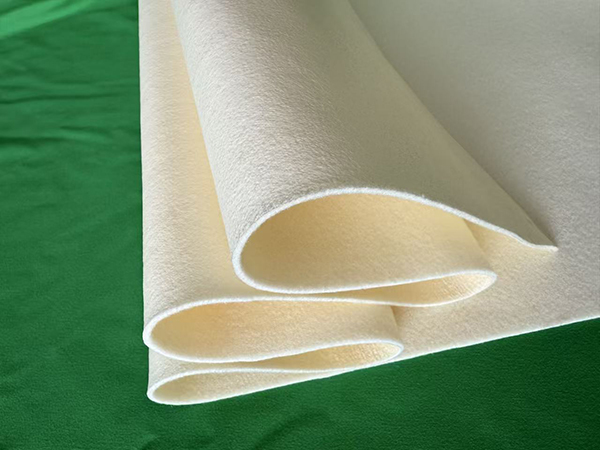
When industrial exhaust contains hydrochloric acid, hydrogen fluoride, sulfur dioxide, or other aggressive chemicals, standard filter media degrade rapidly. Most organic fibers — polyester, aramid, PPS — have chemical resistance limits that make them unsuitable for prolonged exposure to strong acids or alkalis at high temperature. PTFE filter cloth is the material that solves this problem, offering a combination of chemical inertness and thermal stability that no other filter medium can match. This article presents the practical knowledge that a manufacturer of PTFE filter cloth would share with a plant engineer preparing to specify filtration for corrosive gas service.
Why PTFE Filter Cloth Stands Alone in Corrosive Gas Filtration
The chemistry of polytetrafluoroethylene makes it virtually inert to all industrial chemicals. PTFE filter cloth resists attack by concentrated acids, strong alkalis, organic solvents, and oxidizing agents across its full operating temperature range. It does not react with the chemicals that destroy other media from the inside out. This property is not a surface treatment — it is intrinsic to the polymer itself.
A plant that operates a waste incinerator, a secondary aluminum smelter, a chemical processing facility, or a chlor-alkali plant produces exhaust gases that contain some combination of HCl, HF, SO₂, Cl₂, or NOₓ at temperatures from 150°C to 260°C. In these environments, PTFE filter cloth is not just the best option — it is often the only option that delivers the required service life. A manufacturer of PTFE filter cloth supplying these industries tests every production lot for chemical resistance as part of the quality process.
PTFE Filter Cloth Constructions for Corrosive Service
PTFE filter cloth is available in several constructions, each suited to different corrosive conditions. The three most common forms supplied by manufacturers are: PTFE needle felt, woven PTFE monofilament fabric, and PTFE membrane-laminated media.
PTFE needle felt is the standard construction for baghouse applications. It consists of PTFE staple fibers needled onto a PTFE woven scrim. Because both the felt and the scrim are made of PTFE, the entire structure is chemically inert. No other material is present to create a weak point. This all-PTFE construction is the safest choice when the gas chemistry is poorly characterized or variable. A leading manufacturer of PTFE filter cloth typically offers needle felt in weights from 500 to 900 grams per square meter, with air permeability ranging from 5 to 30 cubic meters per square meter per minute at 200 Pa.
Woven PTFE monofilament fabric uses continuous filaments in a plain or twill weave. It has a smoother surface than needle felt, which provides better cake release in applications where the dust is sticky or hygroscopic. The precise pore structure of woven PTFE filter cloth also makes it suitable for liquid filtration applications in corrosive chemical service, such as recovery of catalysts in petrochemical processes or filtration of aggressive process liquors.
PTFE membrane-laminated media bonds a microporous PTFE membrane onto a substrate — typically PTFE needle felt or fiberglass needle felt. The membrane captures all particles at the surface, preventing fine corrosive dust from reaching the substrate. For the most demanding applications, the manufacturer will recommend all-PTFE construction with membrane: PTFE membrane on PTFE felt.
Temperature Performance and Thermal Stability
PTFE filter cloth is rated for continuous service at 260°C. Short-term excursions to 280°C are acceptable for limited periods. Above 300°C, the polymer begins to degrade — first losing its mechanical strength, then releasing toxic decomposition products as it breaks down.
The thermal stability of PTFE filter cloth is one of its most valuable properties for factory operations. Unlike aramid, which suffers hydrolysis in humid conditions above 150°C, or PPS, which oxidizes above 8 percent oxygen, PTFE has no analogous vulnerability. The plant can operate PTFE filter cloth at 260°C in a humid, oxygen-rich, acid-laden environment without worrying about chemical attack. This simplifies the baghouse control strategy — the main concern is keeping the temperature below 260°C rather than managing multiple interacting variables.
One practical point that a supplier of PTFE filter cloth will emphasize is thermal expansion. PTFE expands more than other polymers when heated. The bag manufacturer must account for this by cutting the bags longer than the compartment height so that when the system reaches operating temperature, the bags are at the correct tension. A manufacturer experienced with PTFE filter cloth will include the thermal expansion allowance in the bag design.
Key Applications in Corrosive Gas Systems
Waste-to-energy plants are the largest single market for PTFE filter cloth. The exhaust gas from municipal solid waste incineration contains HCl from PVC, HF from fluorinated plastics, SO₂ from sulfur-containing waste, and dioxins that form in the 200 to 450°C range. The baghouse temperature typically runs at 180 to 220°C. In this environment, PTFE filter cloth with PTFE membrane delivers below 5 mg/Nm³ emissions and a service life of three to five years.
Secondary aluminum smelting generates off-gas containing HF, HCl, SO₂, and aluminum chloride. The HF concentration can be high enough to etch glass fibers within weeks. PTFE filter cloth is the only media that handles these conditions reliably. A plant supplying PTFE filter cloth to secondary aluminum smelters will typically recommend all-PTFE felt with membrane to eliminate any material compatibility concern.
Chemical process industries — chlor-alkali, sulfuric acid production, phosphate fertilizer, titanium dioxide — all generate corrosive exhaust streams where PTFE filter cloth is the standard. Each application has subtle differences in the chemical mix and temperature profile, and a knowledgeable manufacturer will work with the plant to fine-tune the specification for the specific conditions.
What Drives the Cost of PTFE Filter Cloth
PTFE filter cloth costs three to five times more than polyester and two to three times more than aramid or PPS. The cost stems from the raw material (PTFE resin is expensive), the fiber processing (PTFE fibers require specialized spinning and heat-treatment equipment), and the needling process (PTFE fibers are lubricious and require precise needle loom setup).
Despite the higher initial cost, a proper total cost analysis often favors PTFE filter cloth in corrosive service. A baghouse using polyester that must be rebagged every six months because of chemical attack ends up costing more in labor, downtime, and disposal than a system using PTFE filter cloth that lasts five years. The manufacturer can provide a total cost comparison based on the plant's specific operating conditions and baghouse design.
Procurement Advice from a PTFE Filter Cloth Manufacturer
When ordering PTFE filter cloth, the factory procurement team should ask the supplier for the following: documentation of tensile strength retention after thermal aging at the rated temperature for 500 hours, bubble point test results for membrane media, chemical resistance test data covering the specific gases present in the application, and reference installations in the same industry with at least two years of operating history.
Lead times for PTFE filter cloth are longer than for standard media — typically six to ten weeks from the manufacturer, depending on the specification and order quantity. Factories with critical compliance deadlines should carry a spare set of bags for the most heavily loaded compartments. Working with a manufacturer who understands the specific corrosive conditions and has supplied similar plants helps avoid specification errors that are expensive to correct after installation.
FAQ
What chemicals attack PTFE filter cloth?
PTFE filter cloth resists all common industrial chemicals including concentrated acids, strong alkalis, and all organic solvents. Only molten alkali metals (sodium, potassium) and fluorine gas at elevated temperature attack PTFE. For virtually all industrial corrosive gas applications, PTFE filter cloth provides complete chemical resistance.
How long does PTFE filter cloth last in a waste incinerator baghouse?
With proper gas conditioning, typically three to five years. The main limitation is not chemical degradation but mechanical wear from pulse-jet cleaning and fly ash abrasion. The baghouse temperature should be maintained below 260°C and above the acid dew point. PTFE membrane-laminated PTFE filter cloth provides the longest service in incinerator applications.
Can PTFE filter cloth be cleaned and reused?
PTFE filter cloth can be cleaned by compressed air pulsing in baghouse service, but it is not designed for backwashing or wet washing. Once the membrane is damaged or the felt is worn, the media must be replaced. Some manufacturers offer service programs for reclaiming used PTFE filter cloth for energy recovery, which reduces disposal costs for the plant.
What is the temperature limit for PTFE filter cloth?
The continuous operating temperature for PTFE filter cloth is 260°C. Short-term peaks to 280°C are acceptable for limited periods. Above 300°C, the polymer begins to degrade with loss of mechanical strength and eventual decomposition. For applications above 260°C, ceramic fiber media should be considered.
Conclusion
PTFE filter cloth is the definitive solution for corrosive gas filtration in industrial processes where chemical attack would destroy standard media within weeks or months. Its intrinsic chemical inertness, continuous temperature rating of 260°C, and compatibility with membrane surface filtration make it the preferred choice for waste incinerators, secondary metal smelters, and chemical process plants. While the initial cost of PTFE filter cloth is higher than other media, the total cost of ownership — factoring in service life, reduced downtime, emission compliance, and disposal costs — consistently favors PTFE in corrosive environments. Working with an experienced manufacturer who understands the specific chemical conditions and can provide properly designed bags with appropriate thermal expansion allowance and certified quality test data ensures the factory gets the maximum value from its PTFE filter cloth investment.
References
European IPPC Bureau. (2019). Best Available Techniques Reference Document for Waste Incineration. Publications Office of the European Union.
Lee, S. and Patel, M. (2020). Long-term performance of PTFE filter media in corrosive industrial exhaust. Filtration and Separation, 57(4), 22–29.
Pitfield, T. (2019). PTFE membrane filter technology for high-temperature acid gas filtration. Journal of the Air and Waste Management Association, 69(11), 1324–1338.
ISO 29463-1. (2017). High-Efficiency Air Filters for Valuation of Filtration Performance. International Organization for Standardization.
Graver, D. R. (2019). Filters and Filtration Handbook. Sixth Edition. Butterworth-Heinemann.
 Recommended Products


 Contact Us
—— Hotline:+86 15028642444
—— Email:523474198@qq.com
—— Whatsapp:+8615028642444
—— Address:Longfengdian Village, Waliwang Town, Botou City, Hebei Province


